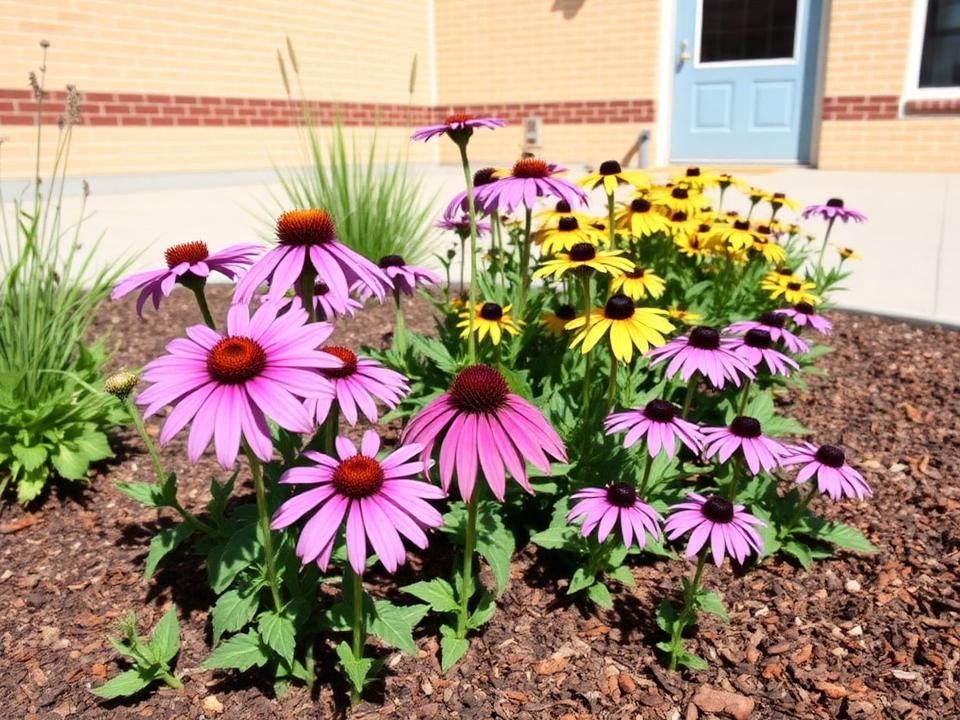
Pittsford, NY
Mixed Wood Plains · 7 native species · 180 sq ft
Certified 2026-05-12 · example
Rhizome Restoration is a youth-led movement reclaiming our ecosystems—one native garden, one classroom, and one community at a time.
Free to use · where school clubs, classrooms, and individual contributors document their impact
Running a school ecology or gardening club? See how Rhizome works for clubs
The honest case
Any plant can be green. What makes native plants different is coevolution: they and the insects, birds, fungi, soils, and weather of this region shaped each other over thousands of years. That fit is why they support more life with less water, less fertilizer, and less maintenance than plants brought in from somewhere else.
Because native plants coevolved with local climate and soil, they tend to grow deep, resilient root systems and dense foliage that filter dust, absorb carbon, and shade the ground around them — often without the constant mowing, watering, or chemicals a lawn needs.
Deep, coevolved native roots open channels in the soil that soak up stormwater before it becomes runoff. That slows erosion and traps fertilizer, road salt, and sediment before they reach creeks, rivers, and drinking water supplies.
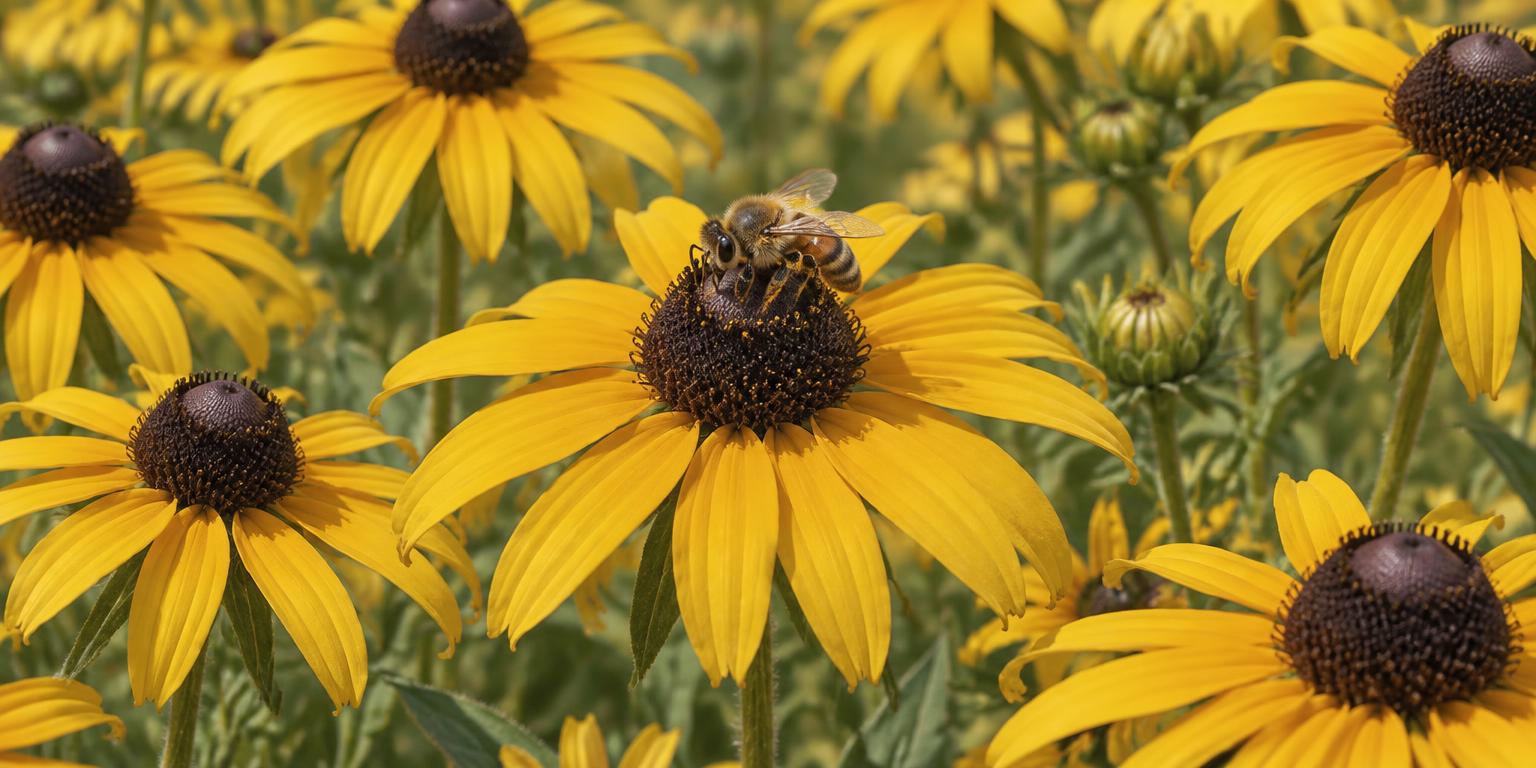
Many of the fruits, vegetables, and nuts we eat rely on insect pollination. Native plants feed the wild bees, butterflies, and other pollinators that local farms and gardens depend on — because those insects evolved alongside the plants that feed them.
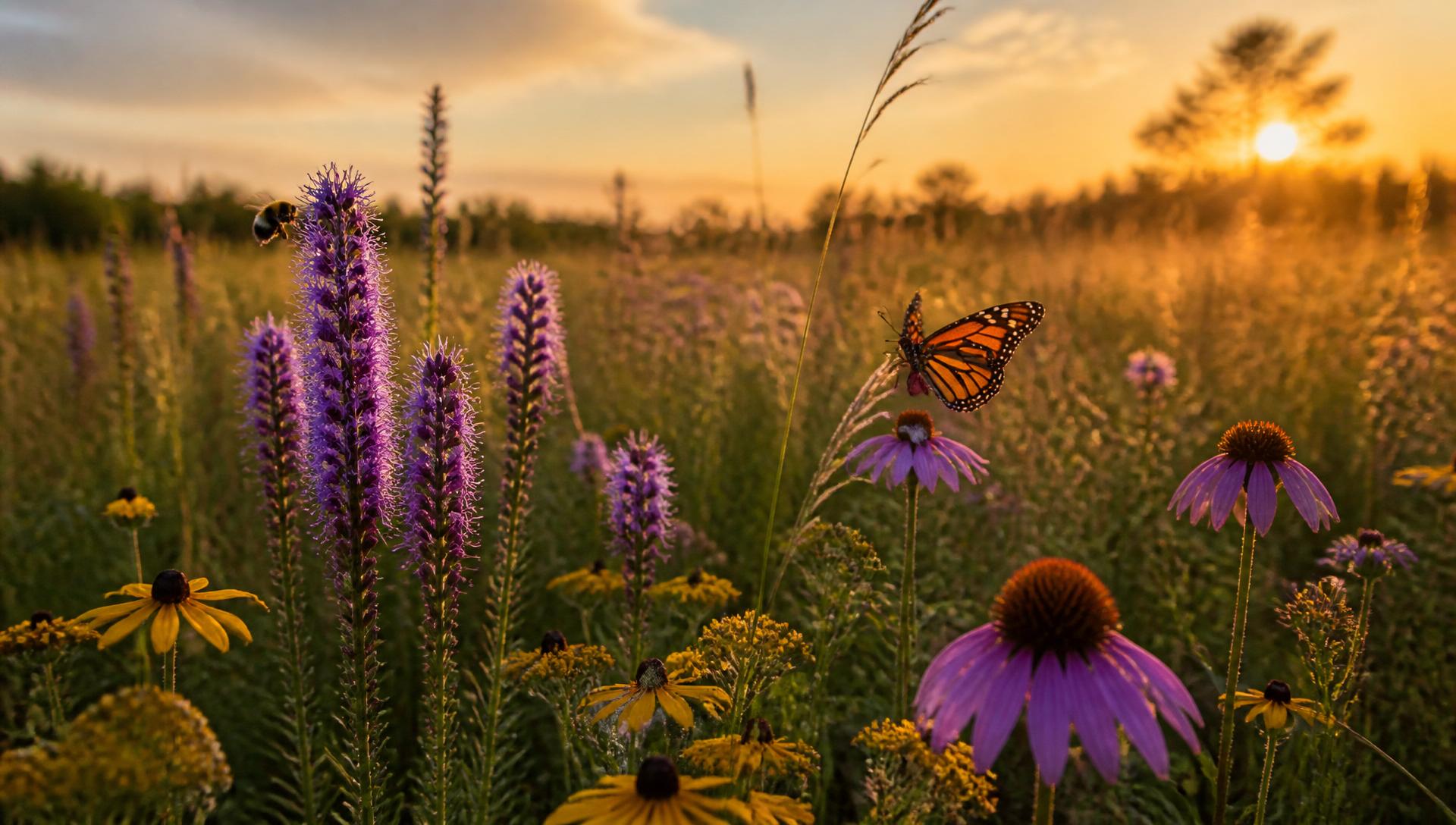
Native plants are the food source local butterflies, bees, and birds evolved with. A single native oak or milkweed patch can support species that non-native ornamentals often cannot feed at the right life stage.
Native plants fit into their regional ecosystem — soil fungi, insects, weather, and all. Each garden is a stepping stone that can reconnect fragmented habitat into corridors where a whole local ecosystem functions again.
Forests, soils, wetlands, and ocean life form a living climate-control system, moving water, seeding clouds, and shading land. The EcoRestoration Alliance's whitepaper Cooling Climate Quickly quantifies this blind spot in climate policy.
Native plants retain more moisture, even during drought, making them less likely to dry out and ignite than invasive grasses like cheatgrass. In fire-prone regions, native landscaping is increasingly recognized as a practical risk reduction strategy.
Native root systems reach 10 to 15 feet deep compared to 2 to 3 inches for conventional lawn grass. Those deep roots absorb extreme rainfall far faster than turf, reducing surface flooding and protecting property during severe storms.
Native plants require less synthetic fertilizer, water, and mowing. Americans spend an estimated 40 billion dollars per year on lawn care. The long term savings are real and measurable.
Underground. Connected. Unstoppable.
A rhizome spreads underground, connecting plants and rebuilding ecosystems invisibly. That is what this movement does. Small efforts, spreading, connecting, growing into something much bigger.
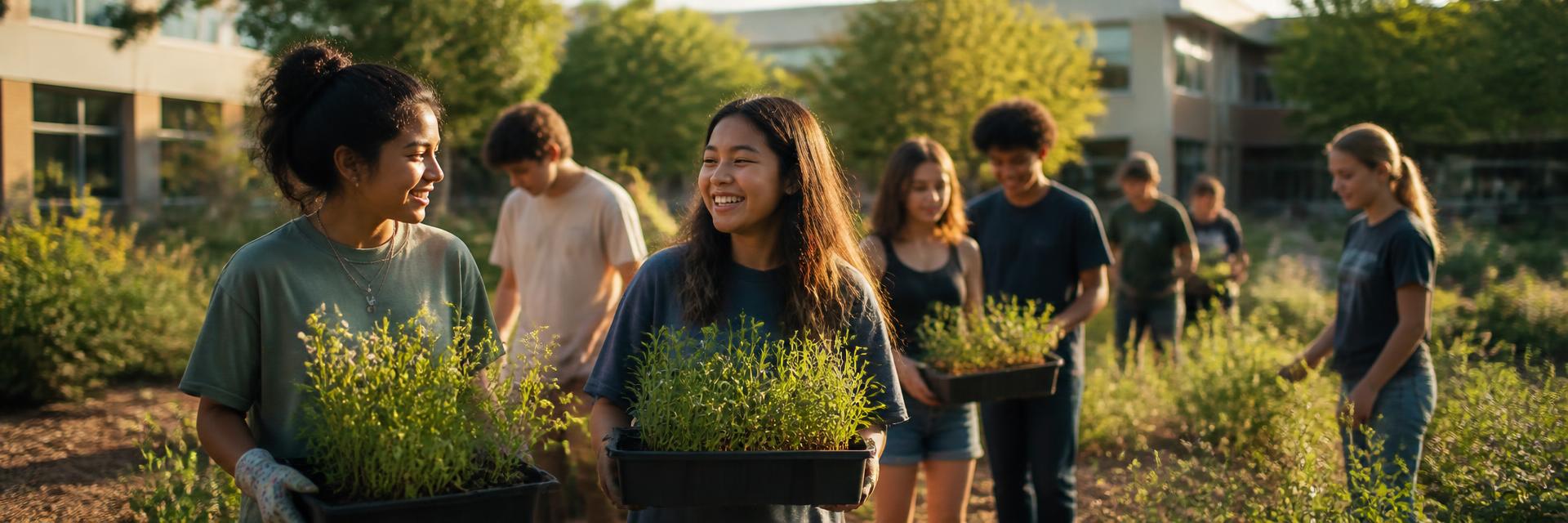
Students in one club, then ten, then a region.
Why educators, students, and clubs join
Rhizome turns native-plant work into documented impact. You get the science, the project ideas, and the tools to track and present what you and your club actually accomplished — free, and open to anyone.
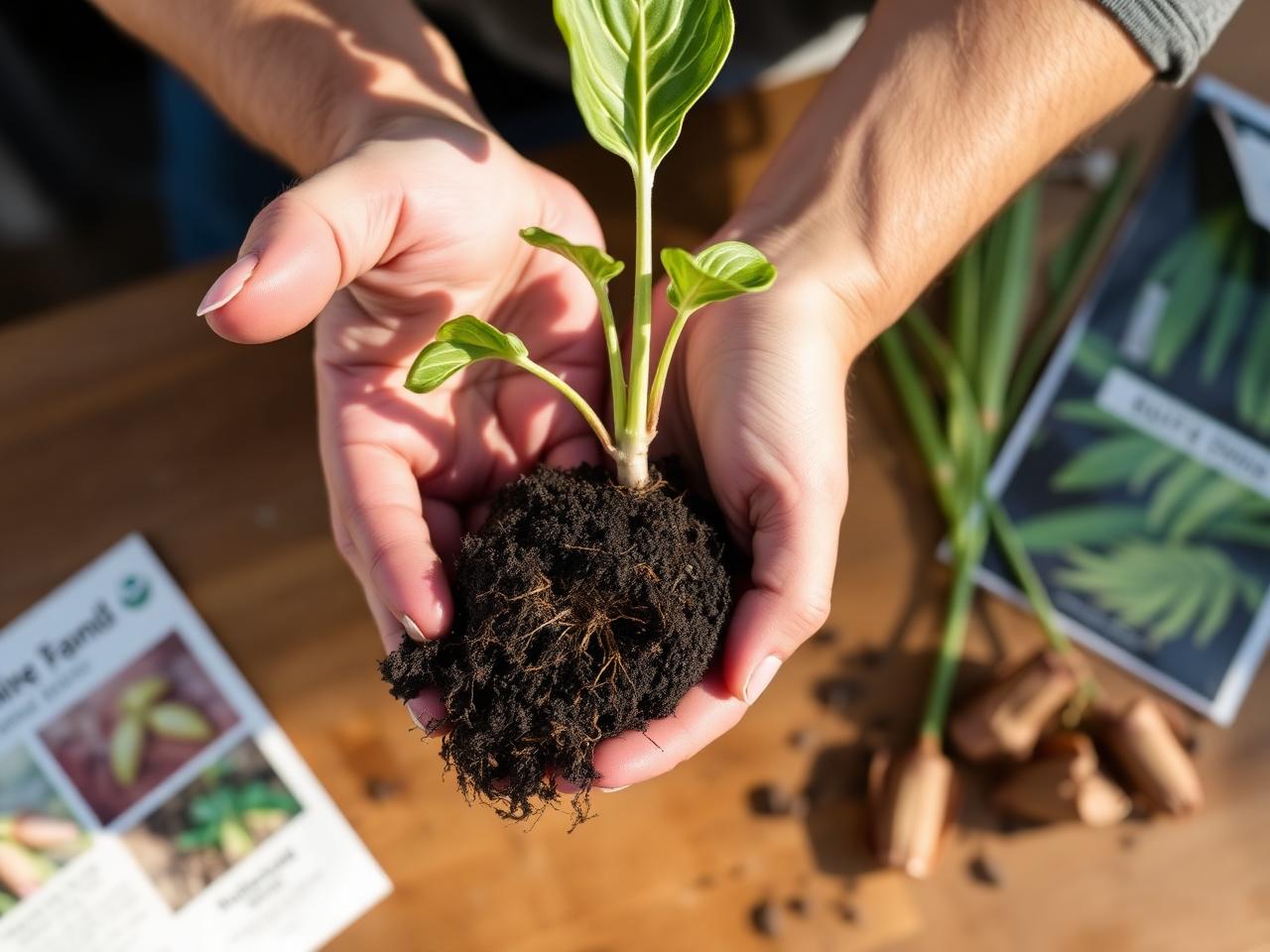
Self-paced native plant and ecosystem courses written for high schoolers. Pass a level at 80% and earn an ERA co-certified certificate with your name on it.
See the courses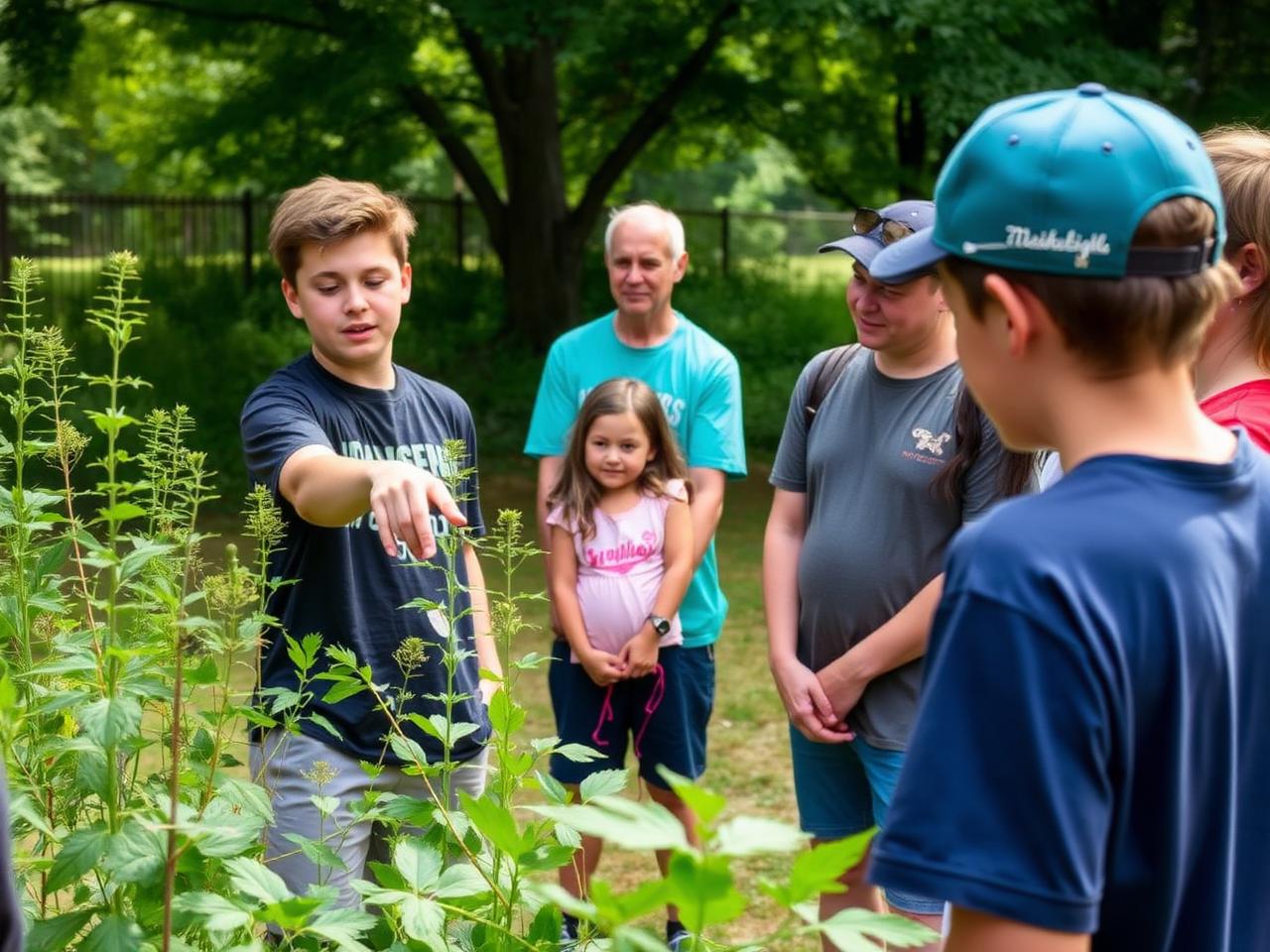
Browse a library of tested projects — planting, teaching, advocacy, seed exchanges, nursery partnerships — or design your own. Nobody starts from a blank page.
Explore project ideas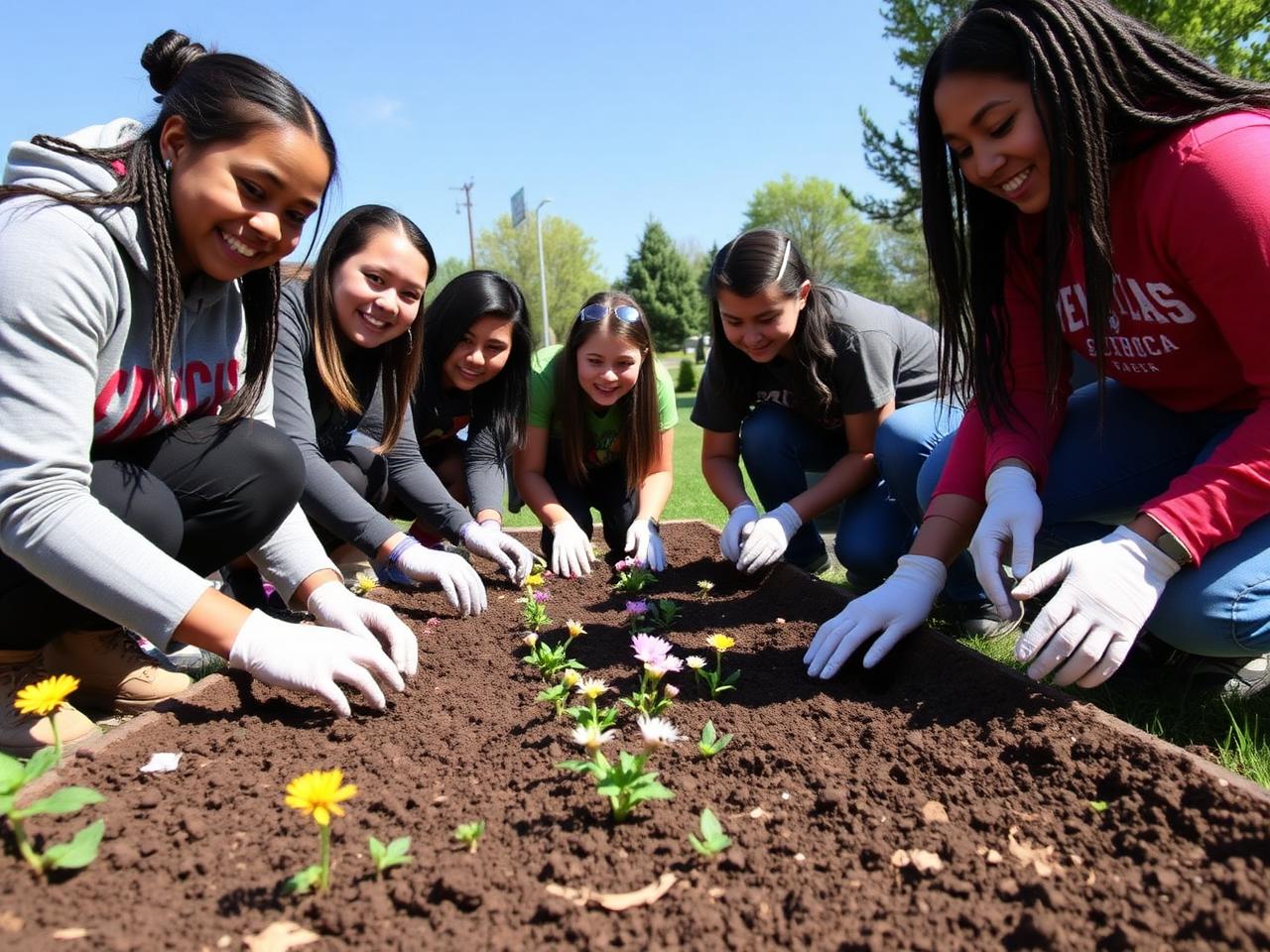
Track knowledge certifications, plantings, projects and club impact. Your photos and your badges become a proven record of your accomplishments.
See your record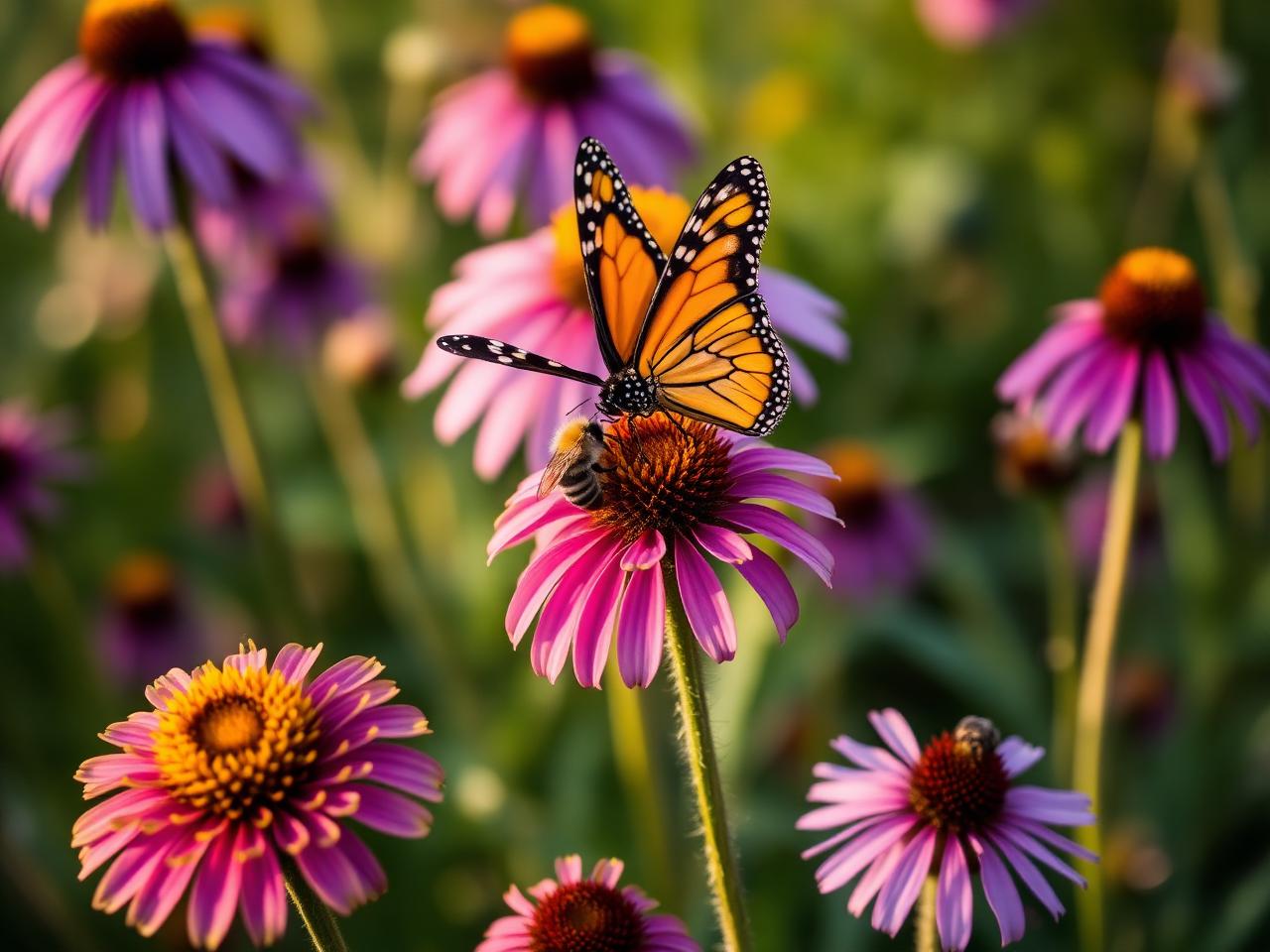
Send in the documentation for anything you organized. A person reviews every submission, and approved work earns a badge naming what you accomplished.
See the badges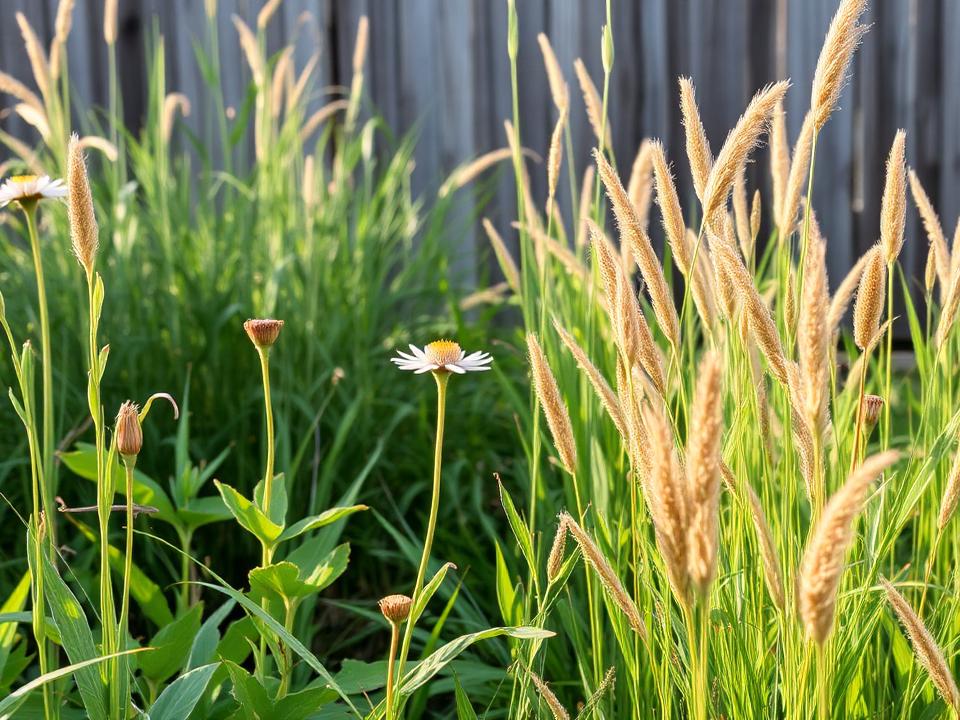
Rosters, shared progress, and a public club profile — plus a press release generator so students can explain what the club accomplished to local media.
See how clubs and classrooms work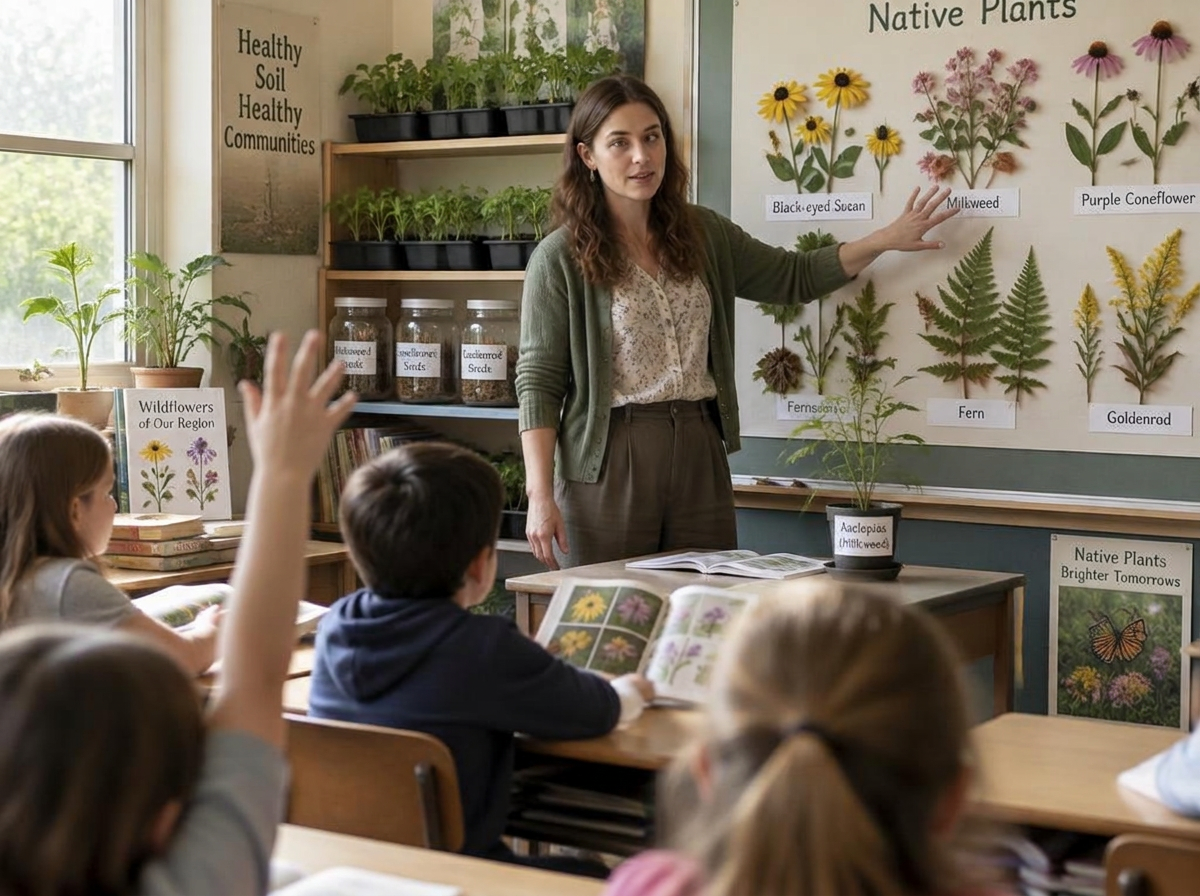
Elementary and middle school teachers bring native plant science into the classroom through seed planting projects, downloadable lesson plans, and class garden initiatives. Starting young builds lifelong environmental stewardship.
For educatorsEverything on Rhizome is optional. We highly recommend every new member start with the Seed Level, then keep going through the higher levels to grow into a real native plant expert and earn the Rhizome and ERA co-certification along the way. Certifying a garden and documenting your projects are recommended next steps, not requirements.
Sample club record
75
Native plants logged
95
Volunteer hours tracked
8
Documented projects
9
Certified members
Example of what an active club can build in its first year.
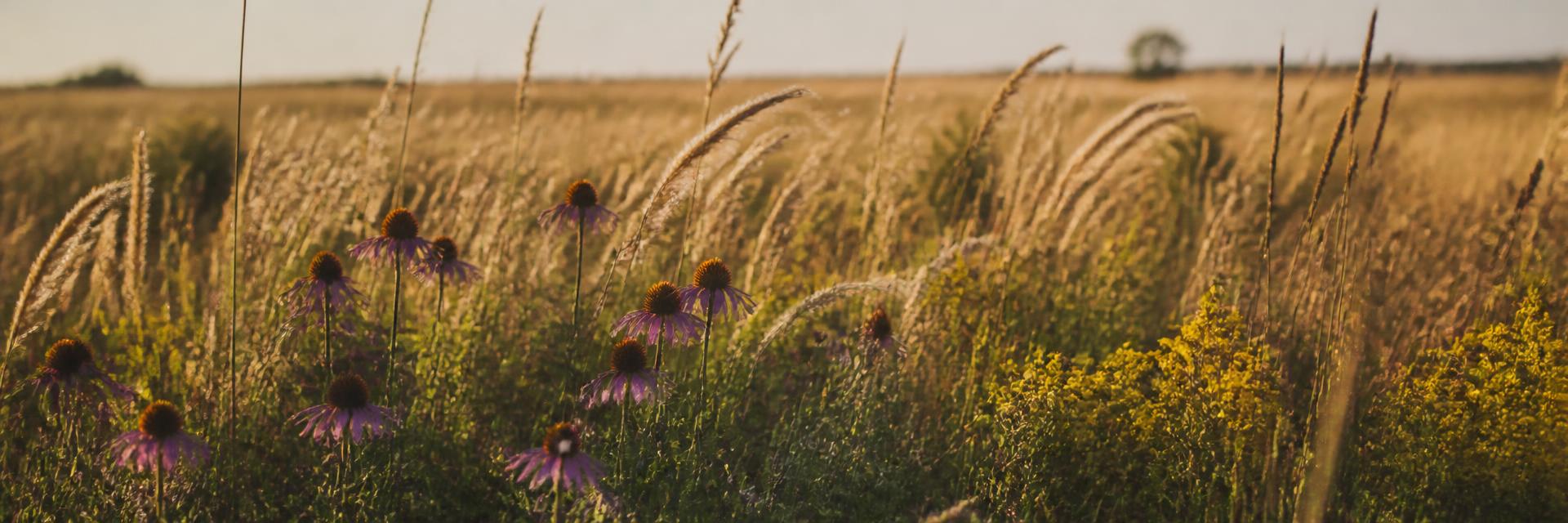
Every certified garden is real habitat.
Coneflower, bluestem, goldenrod — planted where they belong.
From the Plant section
These are examples of what certified gardens look like on Rhizome. Real member gardens will appear here as the community grows.
Town and region only. Rhizome never displays an exact planting location.
Mixed Wood Plains · 7 native species · 180 sq ft
Certified 2026-05-12 · example
Mixed Wood Plains · 5 native species · 120 sq ft
Certified 2026-05-03 · example
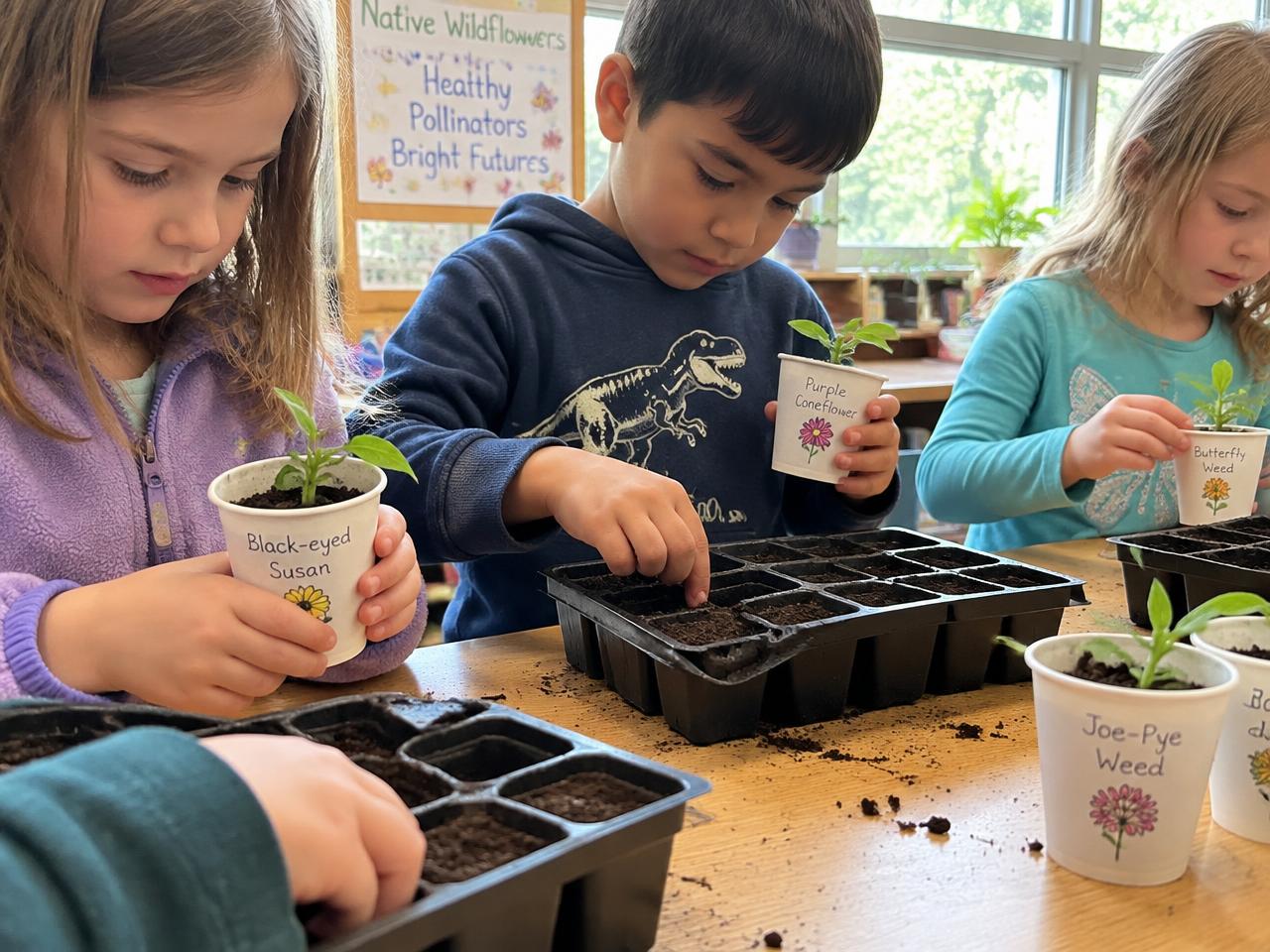
Mixed Wood Plains · 22 native seeds planted in classroom
Classroom project · example
From the Act section
These are examples of the kinds of initiatives Rhizome members take. Real approved initiatives will appear here as members submit and get recognized.
Mendon HS Rhizome Club
Individual member
Buncombe Youth Restoration
Individual member
Mrs. Johnson’s 3rd grade class
A Growing Movement
17
Members and Students
5
Ecoregions represented
Garden and Environmental Clubs and Youth Organizations
A club or classroom is a group of members or students at the same school or organization. Everything a member certifies or a teacher logs rolls up to the group profile and club recognition is cumulative, never a competitive ranking. Every group that keeps showing up earns visible progress.
Cumulative over time. Clubs are never ranked against each other.
Classrooms participate and earn recognition separately from the club milestone system. A teacher-created classroom can log planting projects and lessons without needing to reach Rooted, Spreading, Established, or Keystone milestones.
Create an account, start or join a club or classroom at your school, and take the Seed Level or teach a native plant lesson. Your first certified planting can be in the ground or in a classroom cup this month.